RFID Tags Inventory Tracking — Real-Time Visibility at Every Step
From warehouse to retail floor, Hana RFID’s inventory tracking solutions deliver speed, accuracy, and insight through every tag scan.

Advantages of RFID Inventory Tracking
Hana RFID is dedicated to the Supply chain automation, designing and producing RFID inventory tracking tags 24/7. With a network of local, State-of-the-Art production facilities and warehouses, Hana is able to support its customers locally on all major continents.
Speed
RFID enables bulk reading of hundreds of items per second.
Accuracy
No manual entry, fewer errors.
Real-Time Visibility
Always know stock levels, locations, and movement.
Remote Access
Cloud-based access for distributed operations.
Reduced Loss & Misplacement
Every tagged item is traceable throughout its lifecycle.
Choosing the Right RFID Tags for inventory tracking
Selecting the right RFID tag is essential for successful inventory tracking. Hana RFID provides a wide range of inlays and labels optimized for packaging, logistics, and industrial environments. For non-metallic surfaces, paper or PET-based UHF inlays work best. For more demanding materials — such as metals or liquids — specialized designs or spacers improve performance.

How RFID Inventory Tracking Works
Inventory management powered by RFID technology replaces manual scanning with automatic, real-time identification. Each item carries a small RFID tag that communicates wirelessly with readers — giving you instant visibility into stock levels, locations, and movements.
Tagging — Making Every Item Intelligent
RFID tags are attached or embedded into products, cartons, or pallets. Each tag holds a unique identifier that links the physical item to digital data in your inventory system. Whether paper labels or durable embedded tags, Hana RFID offers solutions designed for different environments and materials.
Reading — Instant and Accurate Identification
RFID readers capture tag data automatically, even without direct line-of-sight. Multiple items can be read simultaneously, enabling fast stock counts and quick goods movement confirmation. Reader placement is strategic — at entry points, conveyors, or shelving areas — ensuring full coverage of the supply chain.
Data Transmission — Connecting to the Cloud
Captured data is transmitted to your enterprise or cloud-based inventory system in real-time. This allows managers to access accurate stock data from anywhere — enabling automated updates, system alerts, and performance analytics.
Real-Time Updates — Visibility That Drives Action
Every tag scan updates your inventory instantly, giving you real-time insights into what’s in stock, where it is, and how it moves. This level of visibility helps reduce stockouts and overstocking, cut operational costs, and optimize replenishment planning.
RFID Tags for Inventory Tracking: Material Usage Do’s and Don’ts
Efficient inventory tracking starts with using the right RFID tags for the materials and surfaces in your warehouse or production line. Choosing the correct tag type ensures accurate readings, reduces errors, and maximizes the lifespan of your RFID solution. Below are essential do’s and don’ts for applying RFID tags to different materials, helping you get reliable performance every time.
Material Usage: Do’s
Material Usage: Don’ts
- Use PET or paper tags for general goods and standard packaging.
- Use foam spacers or specialized on-metal tags when attaching RFID tags to metallic surfaces.
- Test read performance before implementing a large-scale rollout to ensure reliability.
- Avoid placing standard RFID tags directly on metallic foil.
- Do not attach RFID tags to liquid-filled containers unless using a dedicated tag design.
Material Usage: Do’s
- Use PET or paper tags for general goods and standard packaging.
- Use foam spacers or specialized on-metal tags when attaching RFID tags to metallic surfaces.
- Test read performance before implementing a large-scale rollout to ensure reliability.
Material Usage: Don’ts
- Avoid placing standard RFID tags directly on metallic foil.
- Do not attach RFID tags to liquid-filled containers unless using a dedicated tag design.
Reader Placement and Setup for RFID tags for inventory tracking
Reader placement determines the success of RFID inventory systems. Fixed readers can be installed at entry/exit points or shelving units for automated tracking. Handheld readers are useful for spot checks or remote warehouses. Hana RFID’s experts can assist in optimizing reader layout to ensure full coverage and zero blind spots.
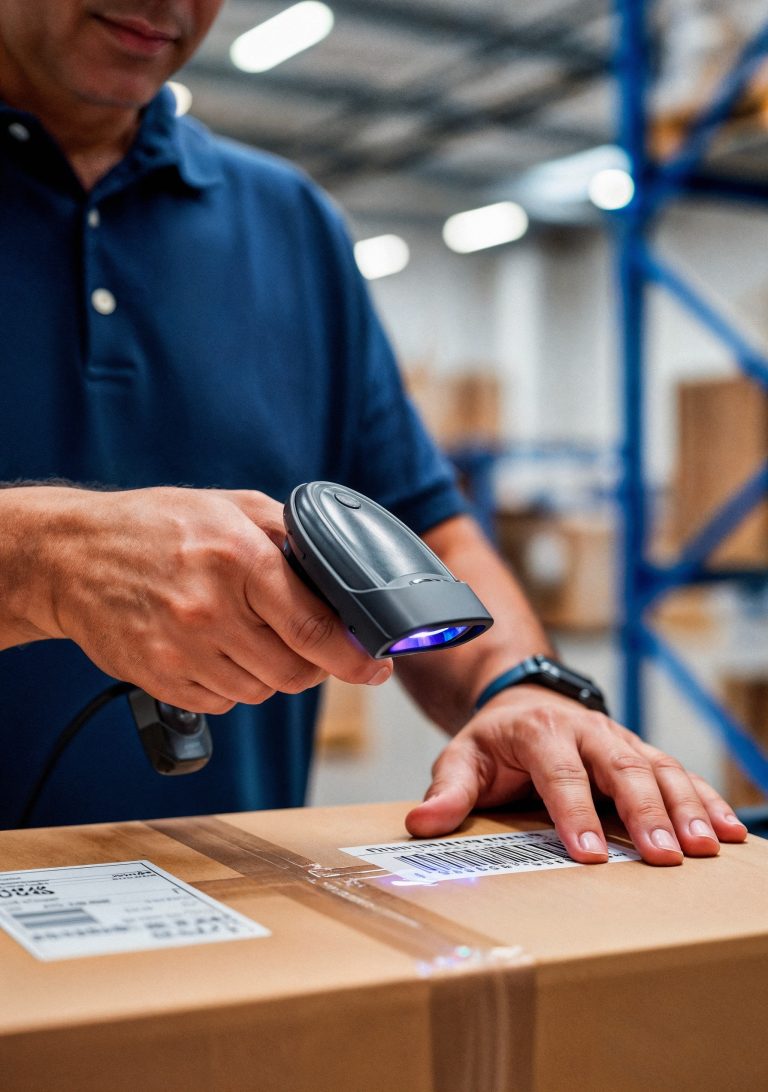

We offer our RFID inventory tracking sample tag services to all (label) converters, system integrators, and brand owners. Use the form below, and we will support you with:
✔ Fast shipment: within 48 hours
✔ Opportunity to test, measure, and experience yourself
✔ 100% Free – We might ask you to share your experience with our product
Do you have any question about RFID tags for Inventory tracking?
Thanks to its proven commitment to production and integrity towards our long-term partners, Hana has become the partner of choice for label converters, packaging industry and system integrators. Do you have any additional questions about RFID tags for inventory tracking? We can help you.
What is RFID inventory tracking?
How accurate are RFID tags for inventory?
Can RFID tags for inventory tracking be used for all materials?
What are the main benefits?
Explore More Applications
Hana RFID technology empowers smarter identification across industries. Explore our solutions Retail, Automotive, and Logistics, and see how RFID connects everyday items to a digital ecosystem.